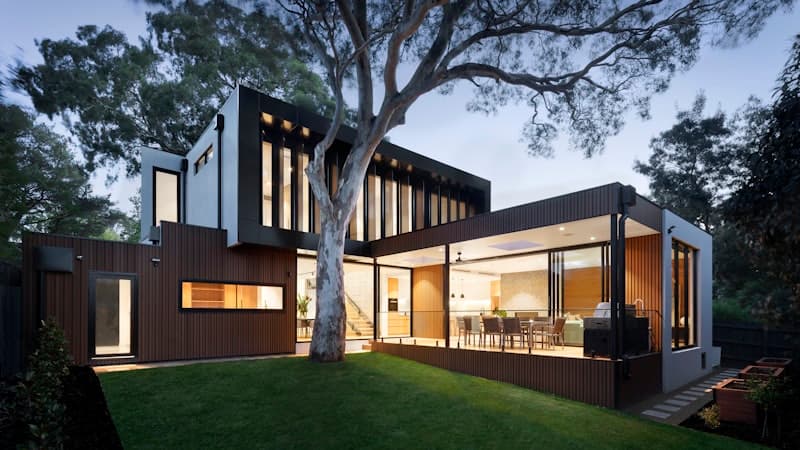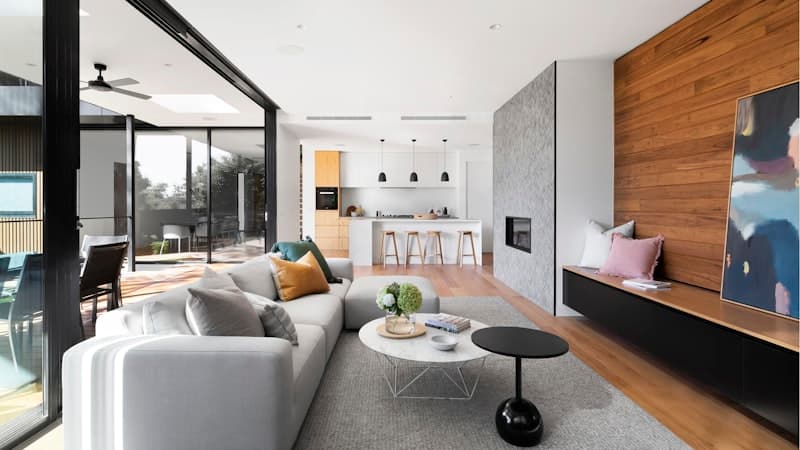
Can Vastu principles coexist with modern architecture? Absolutely. Here's how:
What is Vastu?
Vastu Shastra is an ancient Indian science of architecture that focuses on:
- Directional alignment
- Energy flow
- Natural elements
- Spatial harmony
Scientific Basis
Many Vastu principles have scientific backing:
- East-facing entrances — Morning sunlight, vitamin D
- Kitchen in southeast — Morning sun for cooking, ventilation
- Bedroom in southwest — Cooler in hot climates
- Open northeast — Maximum natural light
Common Vastu Principles
Entrance
- East or north-facing preferred
- Well-lit and welcoming
- No obstructions
Kitchen
- Southeast corner ideal
- Good ventilation
- Separate from bedroom
Bedroom
- Southwest for master bedroom
- Bed placement for good sleep
- Calming colors
Living Room
- Northeast or north
- Open and airy
- Good natural light
Integrating with Modern Design
We balance Vastu with modern needs:
- Flexible interpretation — Focus on principles, not rigid rules
- Scientific reasoning — Use Vastu principles that make sense
- Modern solutions — Use design to "correct" Vastu issues
- Client preference — Respect beliefs while maintaining design integrity
When Vastu Conflicts with Design
- Prioritize structural safety
- Use design elements to balance energy
- Focus on natural light and ventilation
- Create harmony through layout
Conclusion
Vastu principles, when applied thoughtfully, can enhance modern homes. The key is understanding the science behind the tradition and adapting it to contemporary living.